
The hardwood gleams under the bright lights, the squeak of sneakers a familiar symphony of competition and grace. The 2025-26 season began as a crescendo of athletic poetry, with overtime thrillers and players sculpting their games to new heights of artistry. Yet, beneath the roar of the crowd and the flash of the scoreboard, a discordant note was struck, a deep and troubling shadow cast across the parquet floor. It is a shadow woven not from missed shots, but from whispers, from secrets traded in the dark, threatening the very soul of the game I love. This shadow has a name: a gambling scandal of immense proportions, reaching into locker rooms and coaching offices, pulling two figures—Chauncey Billups and Terry Rozier—into a stark federal spotlight.
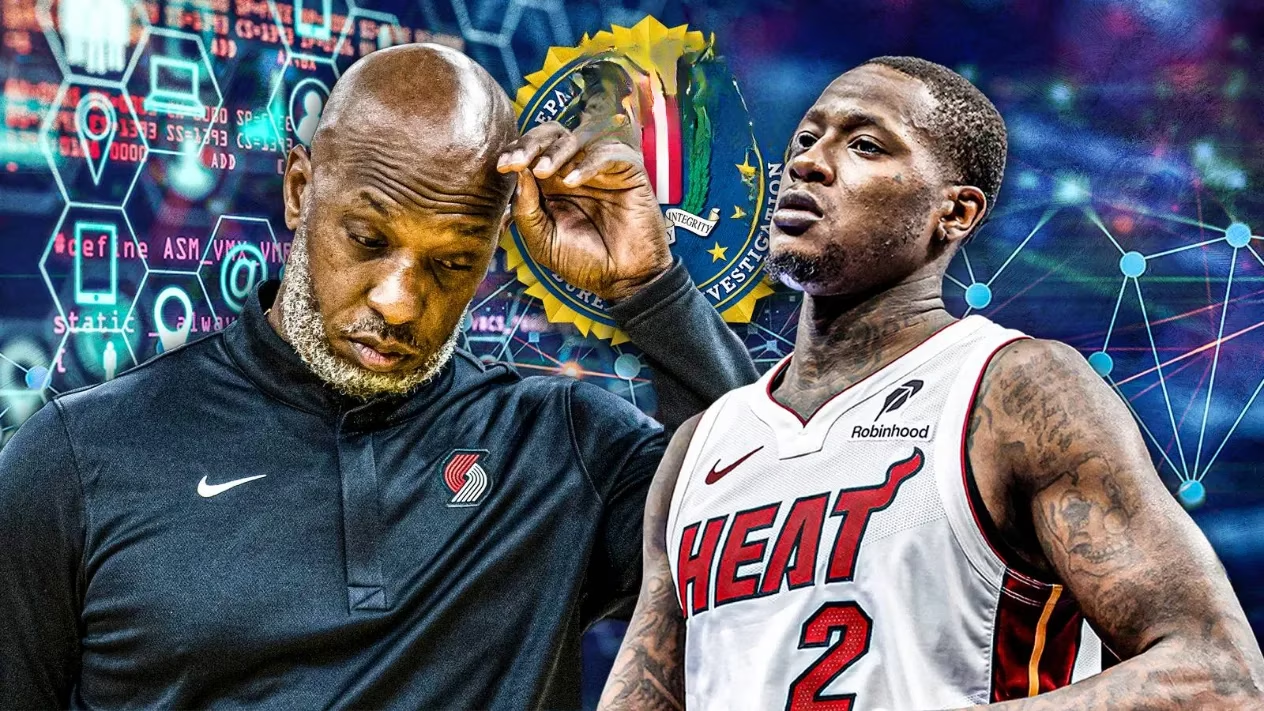
On an October day that now feels etched in cold legal stone, federal authorities unveiled their case. It was a tale of two intertwined indictments, painting a picture far removed from the purity of sport. They spoke of:
-
Insider betting rings, where the intimate knowledge of an athlete's body became a commodity.
-
Dark whispers of game-fixing, where the outcome might be whispered before it was played.
-
High-stakes underground poker games, where the air was thick with cigar smoke and the cold calculation of organized crime.
This was the arena they described, a parallel league operating in the silence between the cheers.
For Terry Rozier, the allegations are a haunting refrain about his past. Prosecutors spin a narrative from his time in Charlotte, where the rhythm of his own body—the twinge of a muscle, the coach's plan for his minutes—was allegedly converted into data points. They claim this intimate knowledge was passed along, a silent signal that allowed associates to place prop bets with the certainty of an insider. The government's filing points to specific games, like one in March of 2023, where Rozier played only a brief nine-minute stanza, a duration that perfectly matched a wager placed on his underperformance. In this telling, the bounce of the ball was accompanied by the silent click of a betting slip, with winnings allegedly stacking into the hundreds of thousands.
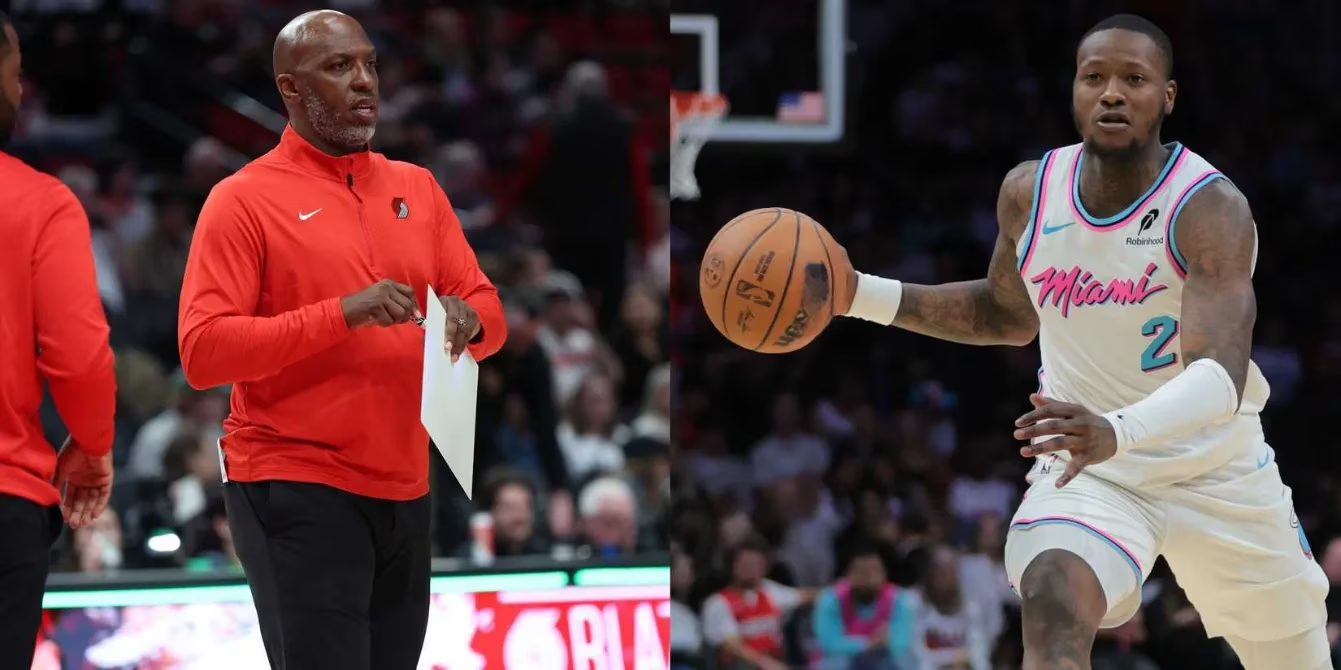
Then there is Chauncey Billups, whose story reads like a noir film spliced into a sports highlight reel. His indictment pulls us away from the bright court and into a different kind of room: one of velvet ropes, marked cards, and tables rigged with X-ray sensors. Authorities allege he was a lure, using his Hall of Fame reputation as a beacon to draw wealthy players into poker games secretly controlled by New York crime families. The technology described is chilling—shufflers altered, cameras miniature, the very fabric of the game deceitfully woven. And the losses? Reportedly in the millions, with Billups allegedly taking a cut for his role as the illustrious host. More damningly, there is a specter of basketball betrayal: whispers that he may have shared tanking strategies for his own Portland Trail Blazers, giving a select few a forbidden glimpse into the future before the public ever knew.
The legal stakes are as high as any Game Seven. Both men face charges that sing a severe duet:
| Charge | Potential Maximum Sentence |
|---|---|
| Wire Fraud Conspiracy | 20 years |
| Money Laundering Conspiracy | 20 years |
| Combined Total | Up to 40 years |
They walk free on bond for now, passports surrendered, their careers with the league placed on an indefinite, chilling hiatus.
The response from their camps is a firm denial, a counter-melody of defiance in this grim symphony. Billups's lawyers call the claims "absurd," a stain on a legacy built on leadership and clutch performance. Rozier's attorney insists his client never knowingly stepped into the illegal gambling arena. They vow to fight, to clear their names in the court of law.
But the true tremor shaking the foundation of the league comes from a revelation about its own guardianship. It emerges that the NBA itself had investigated suspicious betting patterns around Rozier's props back in 2023. Their conclusion then? No violation of league rules. This fact hangs in the air now, heavy with implication. Insiders like Brian Windhorst suggest this could point to a failure of oversight, a potential cover-up that might even threaten the tenure of Commissioner Adam Silver. The scandal thus becomes a mirror, reflecting not just on two individuals, but on the integrity of the entire system meant to protect the game's sanctity.
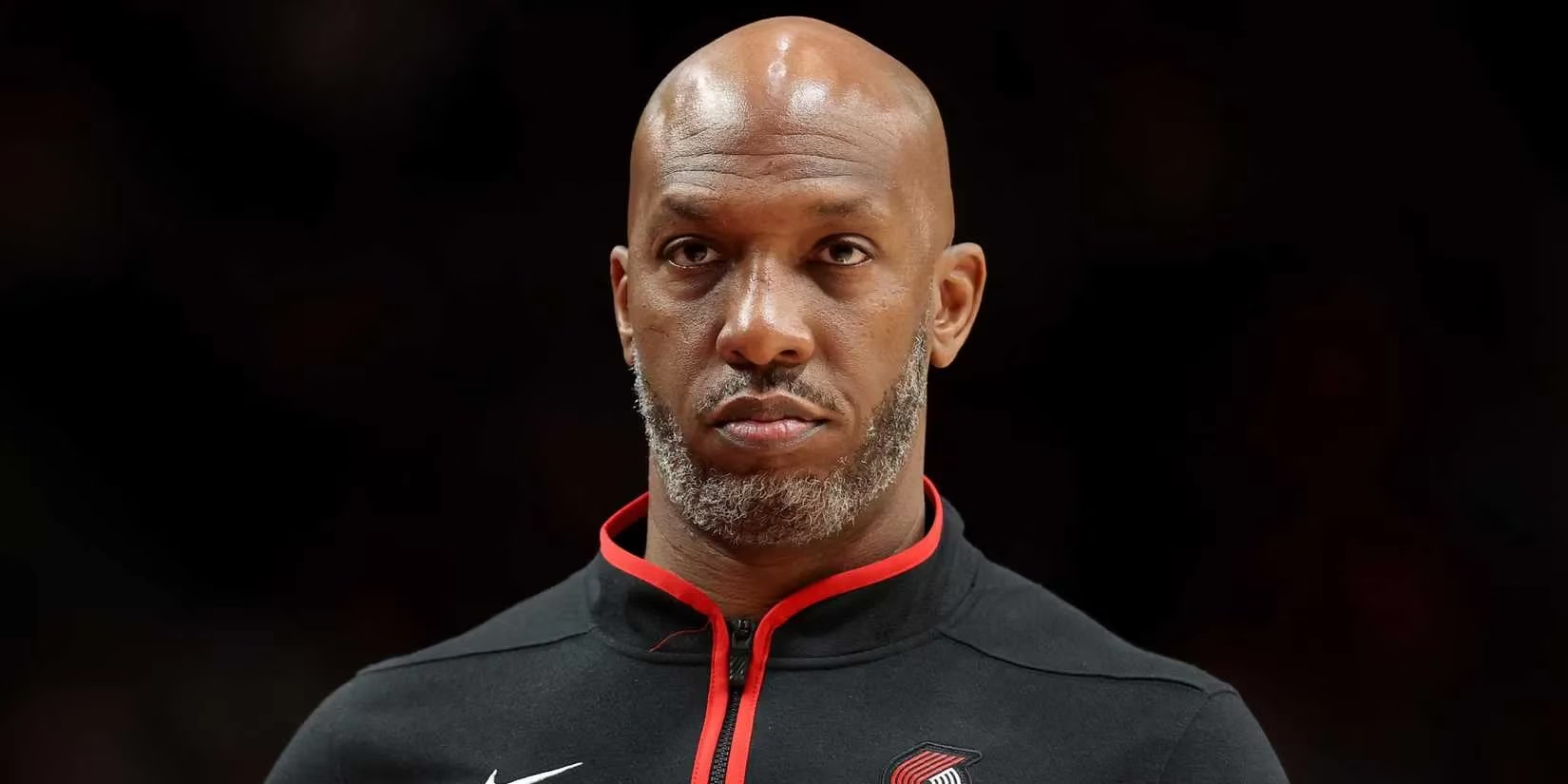
So here we are, in 2026. The season continues, the ball still arcs toward the hoop, but the poetry feels different. Every hustle play, every coach's decision, is now viewed through a lens of suspicion it does not deserve. The shadow asks uncomfortable questions: Where does competitive insight end and criminal insider information begin? Can the glow of legacy be dimmed by association with shadowy rooms? The cases against Billups and Rozier will wind their way through the courts, a slow, grinding process of legal argument. But the verdict for the NBA and the booming world of sports betting it has embraced is already being written in the court of public trust. The game goes on, but it must now prove, with every honest pass and every fair foul, that its soul is not for sale. The poetry of sport must be louder than the whispers from the shadows.
Comments