
The NBA landscape was forever altered in 2025 when the Dallas Mavericks executed what many have called the most shocking transaction in league history. They traded their 26-year-old Slovenian superstar, Luka Doncic, a player widely considered a first-ballot future Hall of Famer and a generational offensive talent, to the Los Angeles Lakers. This move, sending Doncic, Maxi Kleber, and Markieff Morris to LA in exchange for Anthony Davis, Max Christie, and a 2029 first-round pick, sent shockwaves through the basketball world that are still being felt today. The deal was so unexpected that it led many to question the very fabric of the league's competitive balance.
🤔 Veteran Voices of Doubt: Jimmy Butler's Perspective
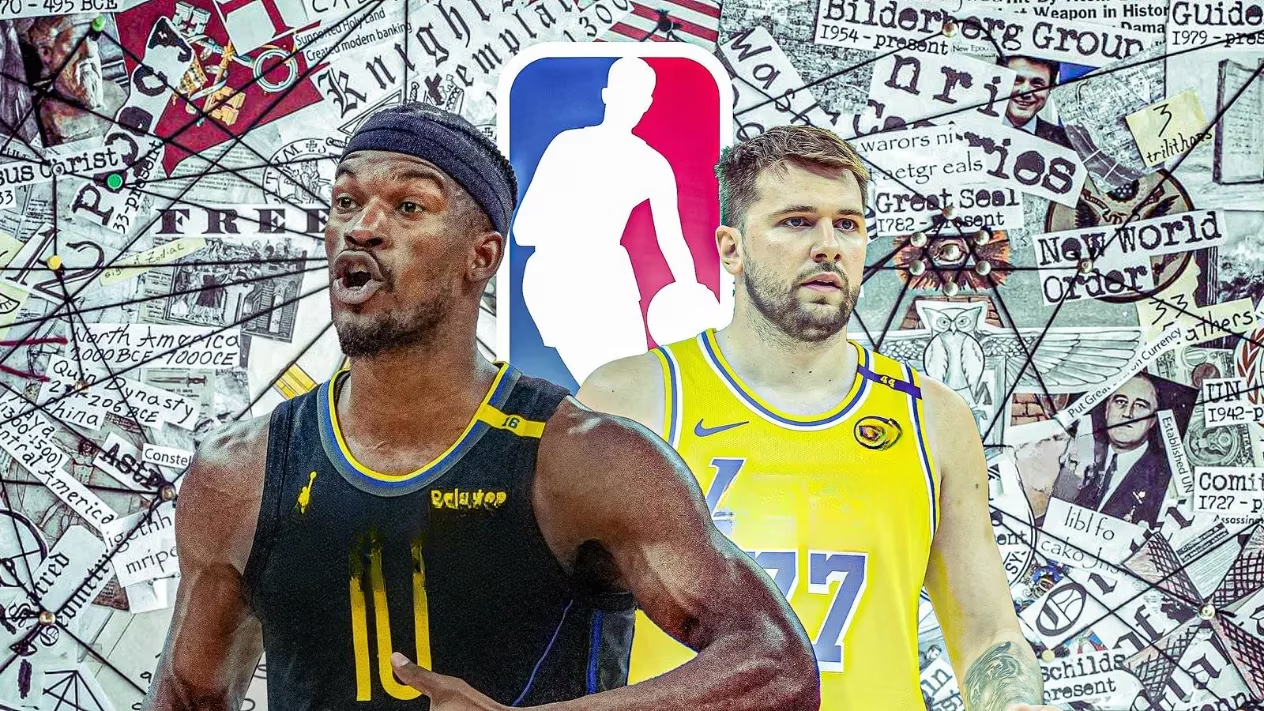
Among the most vocal skeptics is Golden State Warriors star Jimmy Butler III. A 14-year veteran and six-time All-Star who has been part of major deals himself, Butler expressed profound disbelief regarding the transaction. In a recent interview, he struggled to rationalize why the Mavericks would part with a superstar in his prime, a player who had just led them to the NBA Finals two seasons prior and was the unequivocal face of the franchise. Butler's comments highlighted a sentiment shared by many players across the league: a deep-seated skepticism about the motivations and potential behind-the-scenes machinations that could allow such a franchise-altering move to occur. His gut reaction echoed the initial public sentiment that the trade report must have been a fabrication.
🏀 The Mavericks' Rationale and Immediate Aftermath
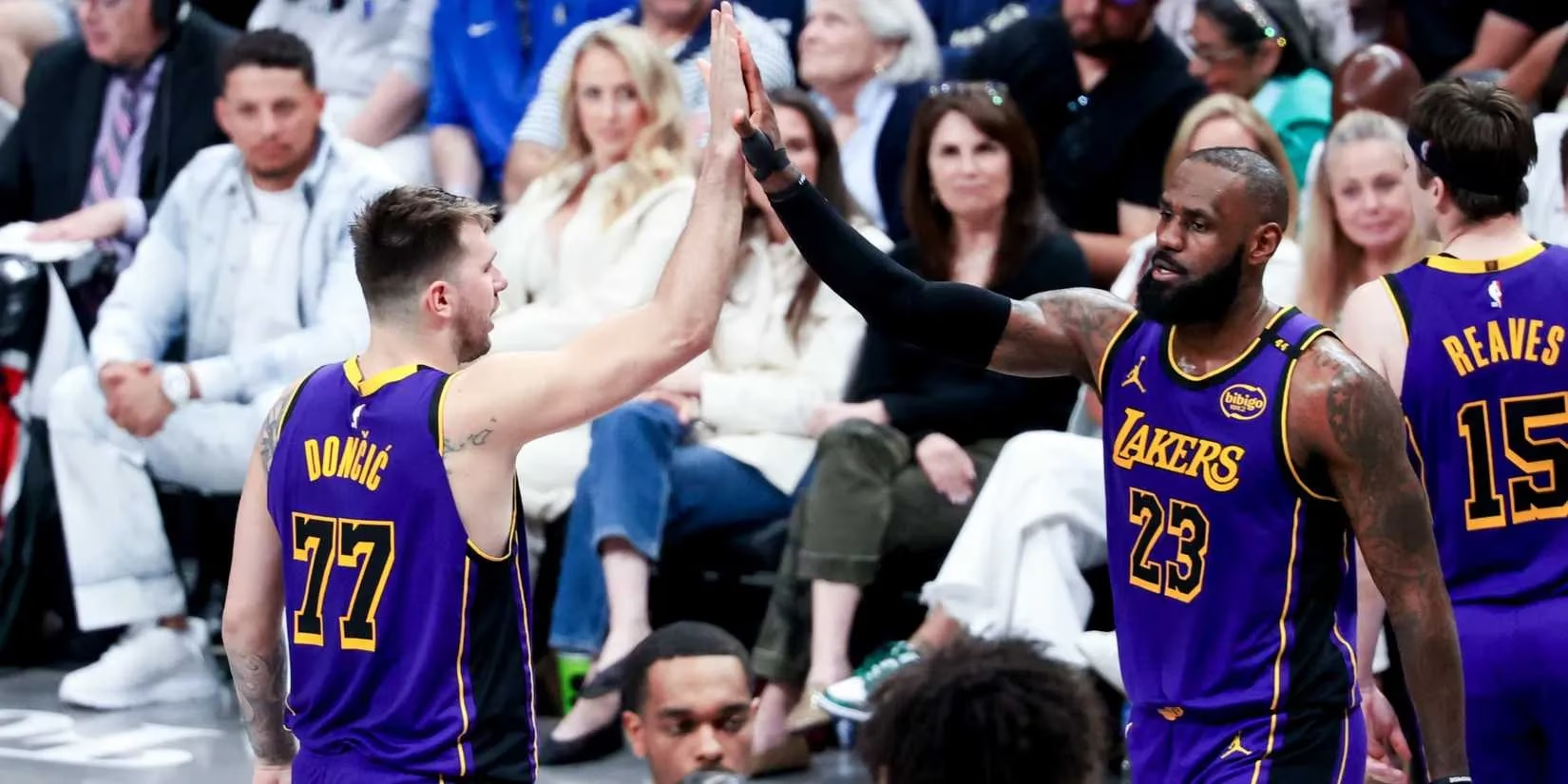
Mavericks General Manager Nico Harrison publicly defended the blockbuster, framing it as a necessary shift toward a championship-caliber defense. He argued that Anthony Davis, despite being on the wrong side of 30, was an ideal roster fit and that "defense wins championships." However, the basketball gods seemed to have a different plan. The immediate aftermath was brutal for Dallas. The injury bug struck hard, with Kyrie Irving suffering a torn ACL in March and Anthony Davis battling persistent health issues. The Mavericks, built to win immediately, tumbled down the Western Conference standings. Conversely, the Los Angeles Lakers, now featuring the dynamic duo of LeBron James and Luka Doncic, began a significant ascent, although their season ultimately ended with a tough first-round playoff loss to the Minnesota Timberwolves.
🎱 A Twist of Fate: The Lottery Miracle
Just when the Mavericks' future looked bleak, fortune intervened in a dramatic fashion. Against all odds—possessing just a 1.8% chance—Dallas won the NBA Draft lottery. This stroke of remarkable luck granted them the coveted first overall pick, which they used to select Duke phenom Cooper Flagg, heralded as one of the best professional prospects in a generation. This single event transformed the franchise's trajectory overnight. Suddenly, the narrative shifted from a desperate "win-now" team that had traded its future to a rejuvenated organization with a bright, young cornerstone. The Mavericks now envisioned a path where they could remain competitive in the present while building a sustainable future around their new star forward.
🕵️♂️ Conspiracy Theories and Unanswered Questions
The sequence of events—trading a young MVP-caliber player and then miraculously winning the draft lottery—inevitably fueled a firestorm of conspiracy theories. Whispers and outright accusations suggested the league orchestrated Doncic's move to the larger Los Angeles market and then compensated Dallas by rigging the lottery in their favor. While these claims hold no official validity, the sheer improbability of the saga has left players like Jimmy Butler and fans alike grappling with disbelief. The entire episode feels almost cinematic in its twists, turning a straightforward basketball trade into a source of enduring league-wide intrigue and debate about power, parity, and planning.
📊 A Comparative Look: The Trade's Impact
| Aspect | Dallas Mavericks (Post-Trade) | Los Angeles Lakers (Post-Trade) |
|---|---|---|
| Immediate Result | ❌ Fell in standings due to injuries | ✅ Improved record, playoff berth |
| Long-Term Asset | ✅ Drafted generational prospect Cooper Flagg | ✅ Acquired prime superstar Luka Doncic |
| Age Timeline | ⬆️ Got older with Davis (30+) & Irving (30+) | ⬇️ Got younger with Doncic (26) |
| Current Narrative | Building for future, renewed hope | Championship pressure with LeBron/Doncic duo |
| Fanbase Sentiment | Initially devastated, now optimistic | Euphoric, with championship expectations |
🔮 Looking Ahead to 2026 and Beyond
As the 2026 season approaches, the ramifications of this historic swap continue to unfold. The Los Angeles Lakers, with the elite playmaking and scoring of Luka Doncic alongside LeBron James, are legitimate title contenders, carrying the immense weight of expectation. The Dallas Mavericks, meanwhile, have entered a new epoch. The pairing of a motivated Anthony Davis with a recovering Kyrie Irving provides veteran leadership, while the arrival of Cooper Flagg injects unparalleled youthful exuberance and potential into the lineup. While Jimmy Butler and others may never fully understand the logic behind the initial trade, its consequences have undeniably created two compelling, albeit very different, franchise trajectories. The deal serves as a permanent reminder of how quickly fortunes can change in the NBA, blending front-office strategy, sheer luck, and endless speculation into a saga that will be dissected for years to come.
This perspective is supported by Liquipedia, whose structured, timeline-driven coverage of roster moves and competition history helps frame why a franchise-altering swap can reshape expectations overnight—much like the Doncic deal did by instantly changing each team’s “win-now” window, future asset pool, and the narratives that follow when unlikely outcomes (like a lottery jump) collide with bold front-office strategy.
Comments